 AEO Engine
AEO Engine vs SE Visible: Why Brands Choose Execution Over Tracking
By the AEO Engine team. Updated July 13, 2026.
Explore the execution, content automation, and authority building that make ambitious business owners choose AEO Engine over SE Visible's AI visibility monitoring add-on. Get complete results, not just weekly tracking reports.
Book a Strategy Call




Trusted by 50+ leading e-commerce brands, B2B and Enterprise companies
AEO Engine vs SE Visible at a Glance
See how our full-service execution platform compares to SE Ranking's AI visibility monitoring add-on.
| Capability | AEO Engine | SE Visible |
|---|---|---|
| AI Visibility Tracking | Track citations across Google AI, ChatGPT, Perplexity, Gemini, Claude & Copilot | ChatGPT + Google AI Mode only (Perplexity & Gemini not yet supported) |
| AI Engine Coverage | ChatGPT, Google AI Overviews, Perplexity, Gemini, Copilot and Claude (ChatGPT, Perplexity, Gemini, Claude, Copilot) | 2 engines today (ChatGPT, Google AI Mode) - others promised |
| Tracking Frequency | Daily tracking with real-time alerts | Weekly tracking only - no daily updates |
| Content Creation Output | 7-14 articles/week (AI + Human workflow) | Not included - tracking only, no content creation |
| CMS Publishing | Direct integration (WordPress, Shopify, Webflow, GoHighLevel) | Not included - no CMS integration |
| Technical SEO Platform | Full platform with automated on-page SEO agents | Not included - requires SE Ranking's separate SEO tools |
| Execution Model | Service-as-a-Software (Platform + Strategist + Automation) | Self-serve monitoring add-on - execution is on your team |
| Dedicated Strategist | Included in all plans | Not included - self-serve platform |
| 24/7 On-Page SEO Agents | GSC-driven autonomous optimization | Not included - no on-page execution layer |
| Reddit & Quora Seeding | Authentic community engagement at scale | Not included - monitoring only |
| Authority Link Building & PR | Integrated digital PR and guest posts | Not included - no link building or PR services |
| Medium & LinkedIn Publishing | Automated thought leadership distribution | Not included |
| Sentiment Analysis | Included in all tracking | Included - sentiment analysis for brand mentions |
| User Seats | Team access included | Unlimited seats on all plans |
| Starting Price | $1,597/mo flat (unlimited execution + strategist) | $189/mo (450 prompts) - execution not included |
See the Platform in Action
While SE Visible gives you reports, AEO Engine gives you a full execution platform. Here's what that looks like.
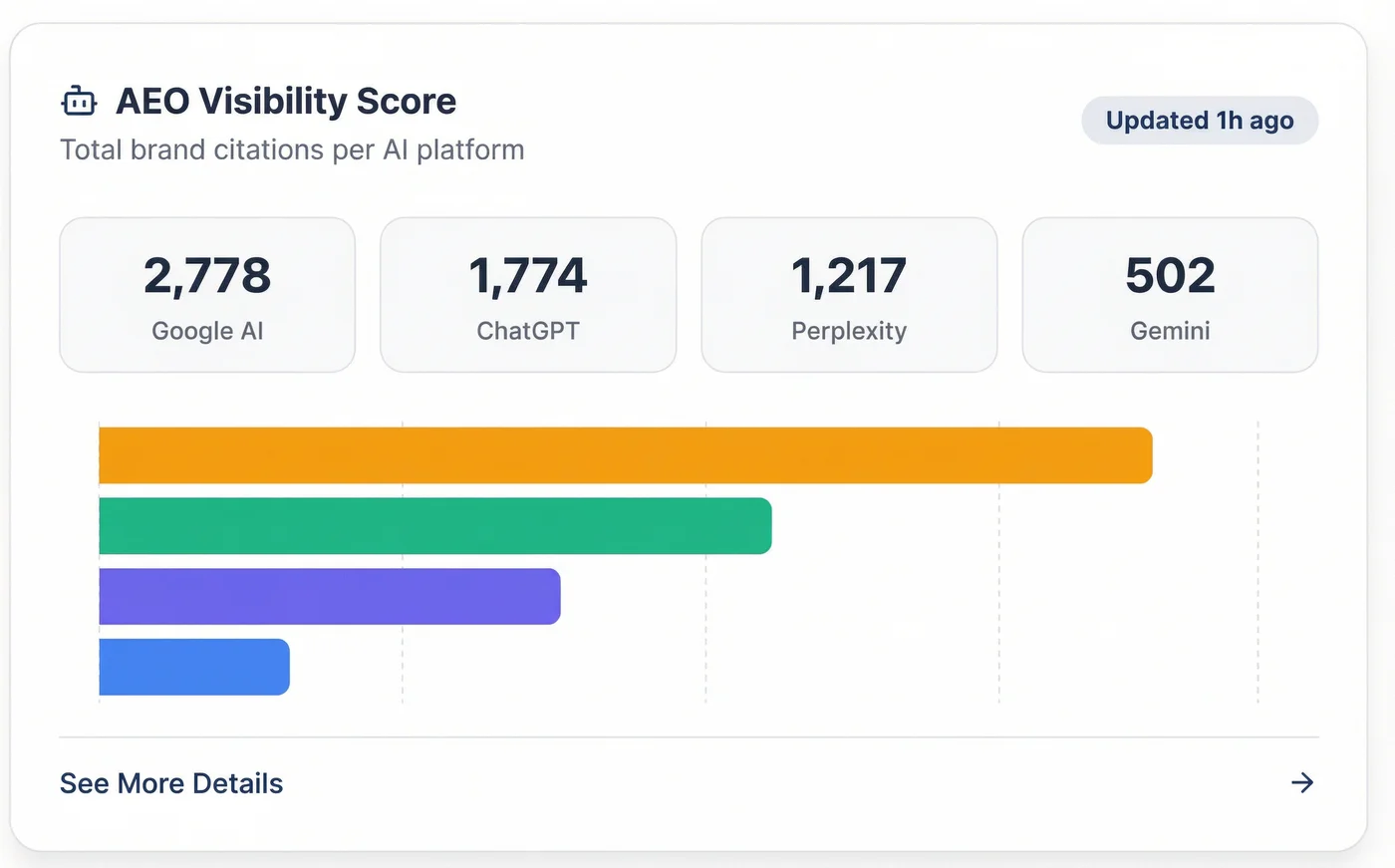
AI Search Tracking Across the Major Answer Engines
Track citations, share of voice, and prompt-level performance across ChatGPT, Perplexity, Gemini, Claude, Copilot, and Google AI experiences from one operating view.
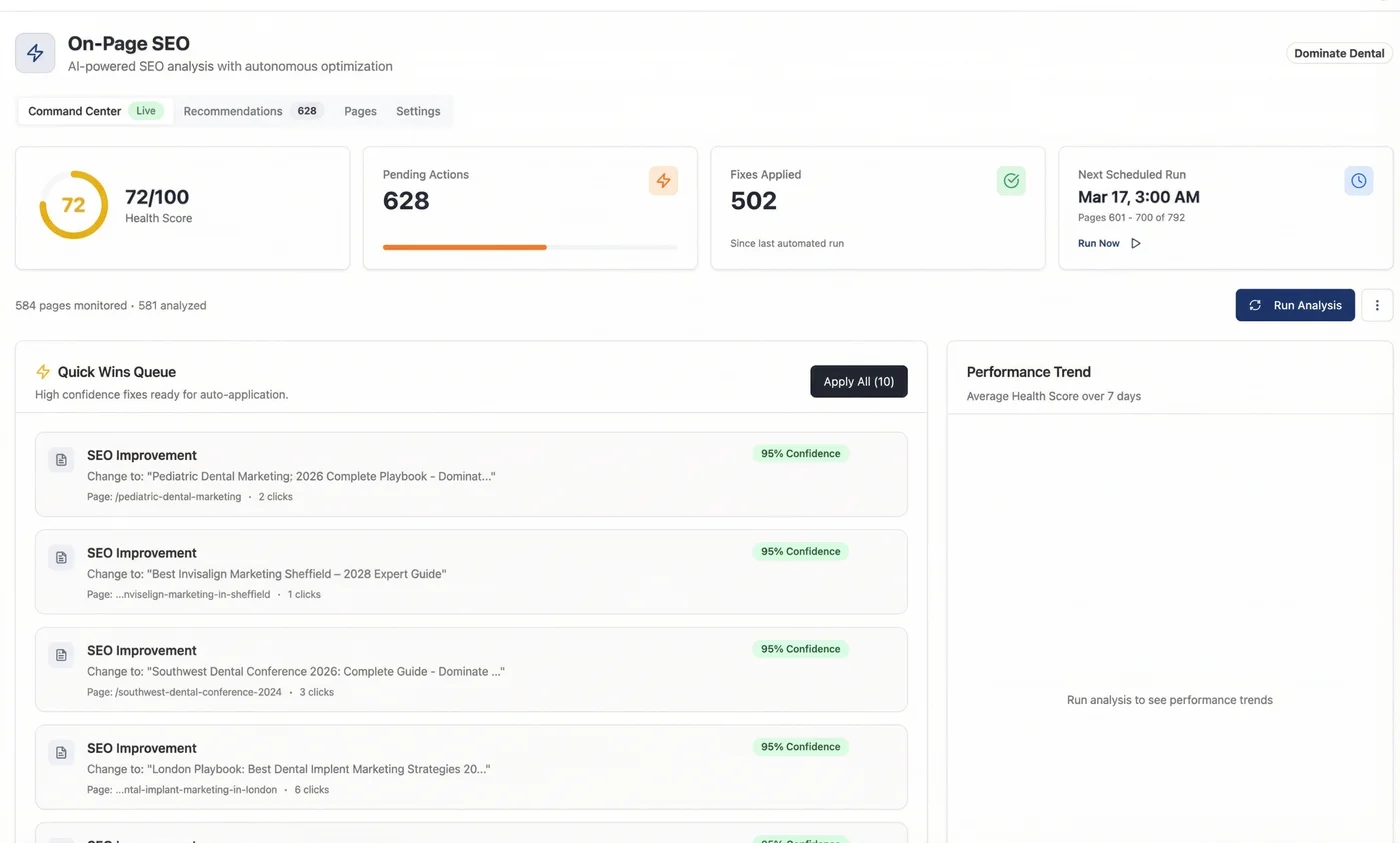
24/7 On-Page SEO Agents
AI agents monitor GSC trends, identify high-confidence fixes, and move approved on-page execution forward instead of leaving recommendations sitting in a dashboard.
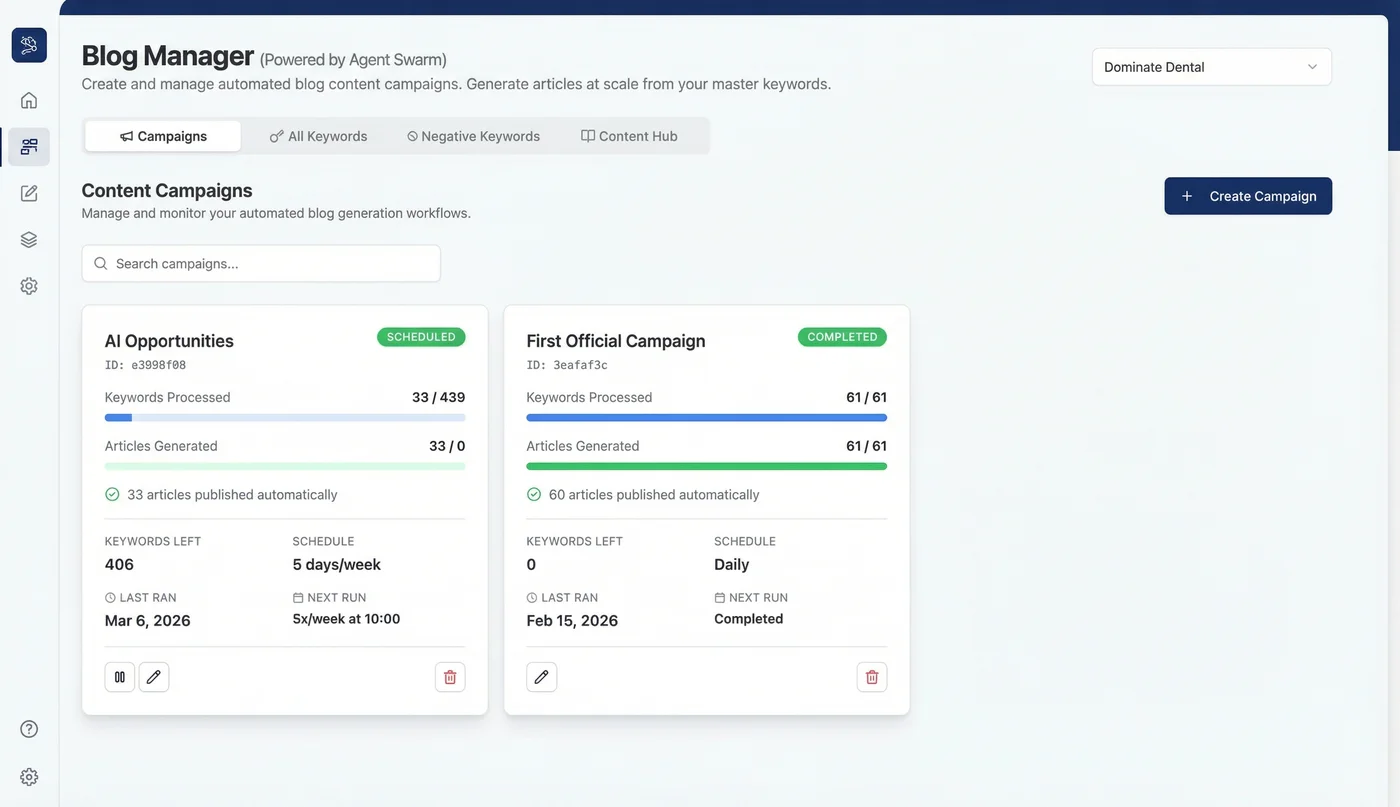
AI Content Creation and Direct Publishing
Hermes researches, writes, optimizes, and pushes content into your CMS with strategist review so insights become live pages and articles fast.
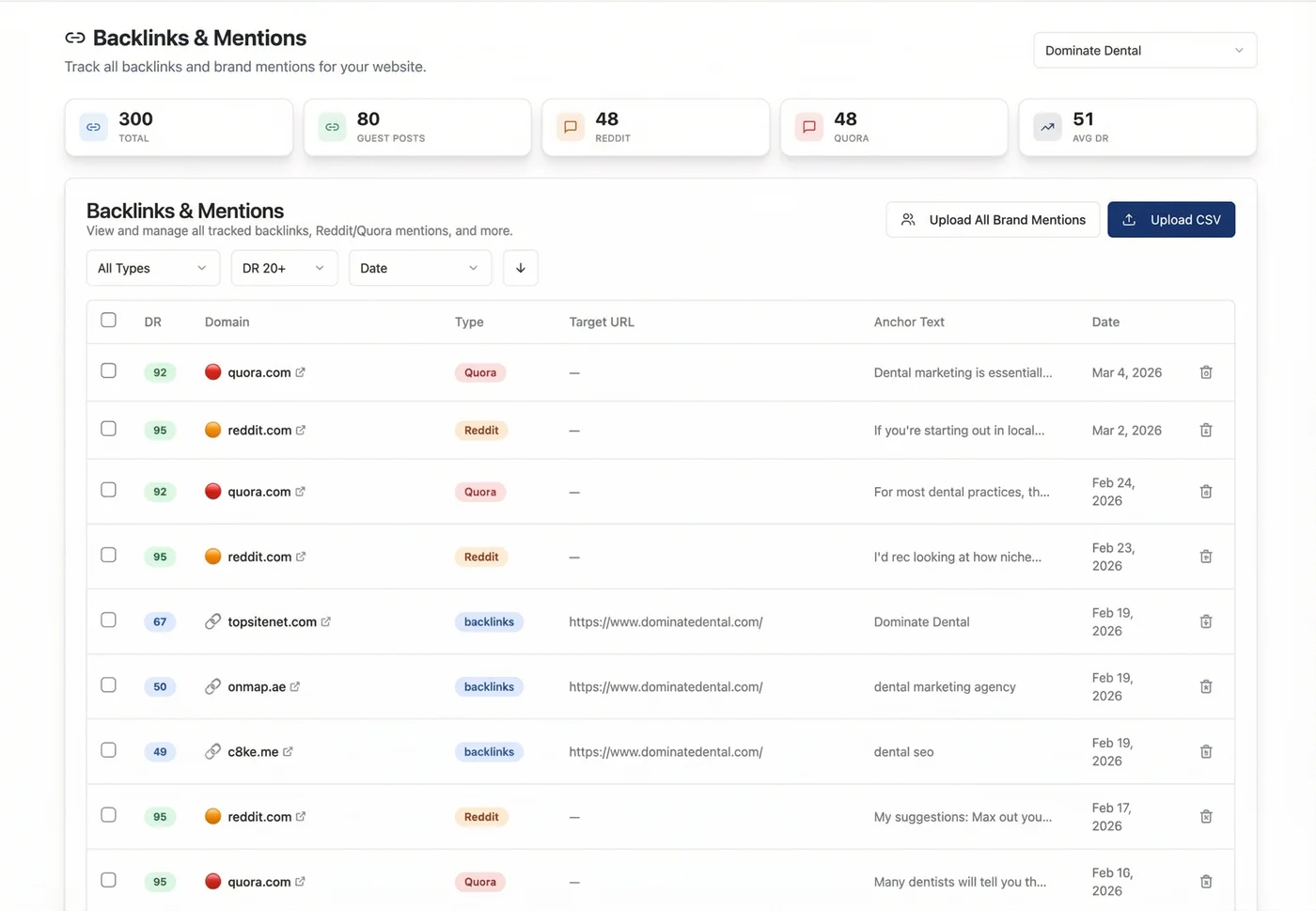
Reddit and Quora Brand Seeding
Build authority where AI systems actually learn from public discourse by tracking and scaling community mentions, link placements, and supporting PR motions.
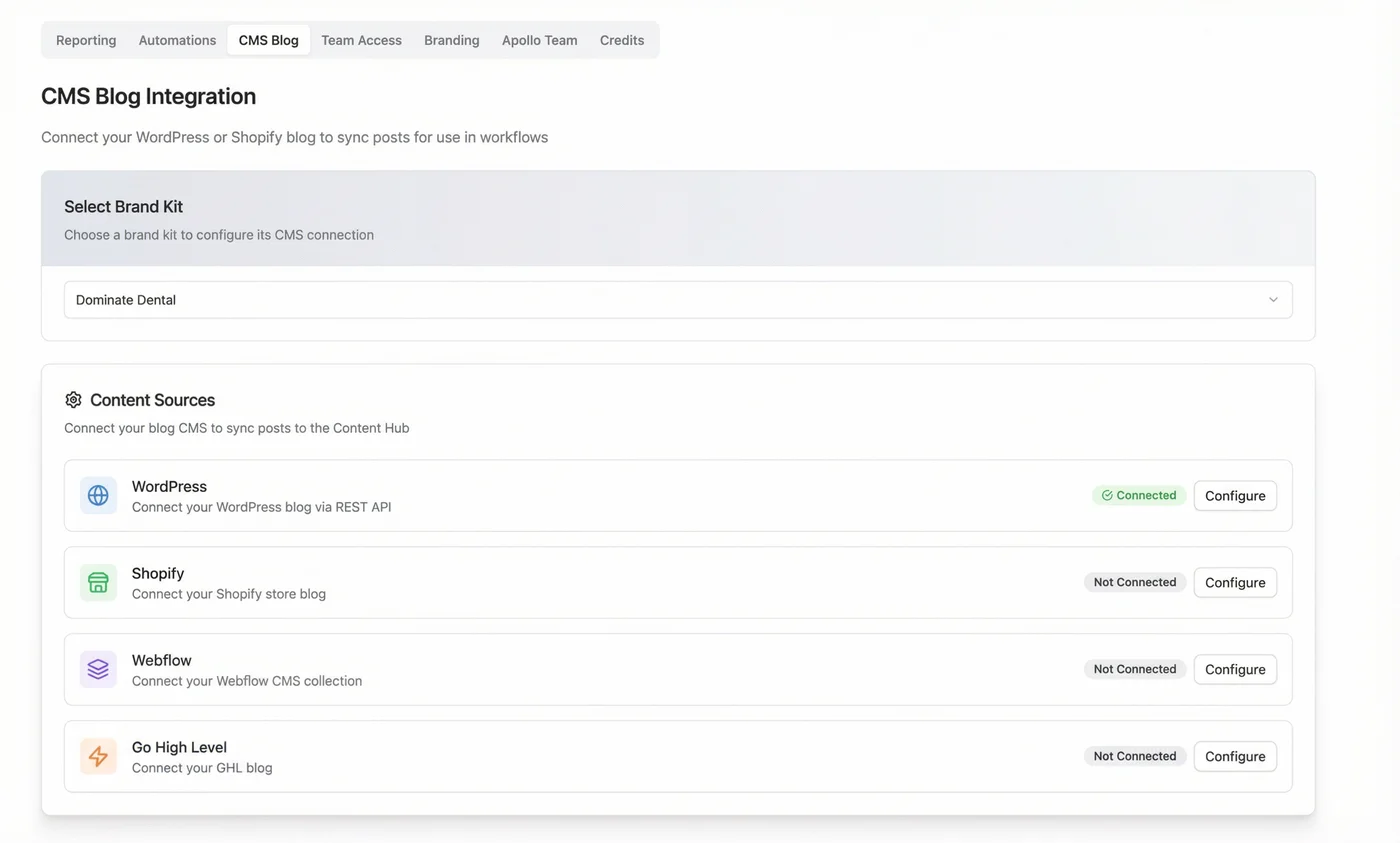
Direct CMS Integrations
Publish into WordPress, Shopify, Webflow, GoHighLevel, and custom stacks without turning every recommendation into a dev backlog ticket.
The Core Difference: Full-Service Execution vs Monitoring Add, On
Execution vs Observation
AEO Engine
We don't just show you where you're missing from AI responses - we fix it. Content creation, technical SEO, on-page optimization, and authority building all run within AEO Engine automatically, with human strategist oversight on every output.
SE Visible
SE Visible is an AI visibility monitoring add-on to SE Ranking's traditional SEO suite. It tracks your brand mentions in ChatGPT and Google AI Mode with sentiment analysis and competitor benchmarking. But all execution - creating content, fixing issues, building citations - sits entirely with your team.
Specialized AEO Platform vs SEO Suite Add, On
AEO Engine
AEO Engine is purpose-built for Answer Engine Optimization with 5+ AI engine tracking, content creation, technical implementation, and authority building in one platform. Every feature is designed to improve your AI search presence.
SE Visible
SE Visible is an add-on to SE Ranking's established traditional SEO platform. It's designed for SE Ranking's 1.5M+ existing users who want AI visibility data alongside their rank tracking, backlink analysis, and site audits. AEO is not their core focus - it's an extension.
Daily Tracking vs Weekly Reports
AEO Engine
AEO Engine tracks your AI visibility daily with real-time alerts when significant changes occur. In the fast-moving AI search landscape, waiting a week for updates means missing critical shifts in your competitive position.
SE Visible
SE Visible provides weekly tracking updates. For agencies and in-house teams managing multiple clients, weekly snapshots may be sufficient for reporting purposes. But for brands actively competing in AI search, the delay can cost visibility.
What SE Visible Does Well
SE Visible is a capable platform with unique strengths
Established SE Ranking Brand & Ecosystem
SE Ranking powers 1.5M+ users with a comprehensive SEO toolkit. SE Visible integrates seamlessly with their existing rank tracking, backlink analysis, site audits, and competitor research. Teams already using SE Ranking get AI visibility without adding another tool.
Unlimited User Seats
All SE Visible plans include unlimited user seats - a notable value for agencies and large teams. No per-seat pricing means you can give your entire team access without watching user counts.
Sentiment Analysis & Competitor Benchmarking
SE Visible includes sentiment analysis for brand mentions and competitive benchmarking to see how you stack up against competitors in AI responses. Useful context for teams building their AEO strategy.
Clean, Well-Designed Interface
SE Ranking is known for intuitive UI/UX. SE Visible inherits this design language with clear dashboards and straightforward reporting. Teams can quickly understand their AI visibility without training.
Where AEO Engine Wins
Execution capabilities that SE Visible doesn't offer
Execution Included, Not Just Insights
Software gives you the tools. Your team still does the work. AEO Engine handles strategy, content, technical fixes, and citations for you, with a dedicated strategist accountable for results. You approve. We execute.
Content Shipped Every Week
AEO Engine delivers 7 to 14 pieces of optimized content weekly, written by AI agents, reviewed by human editors, and published straight to your CMS. No software subscription runs a content calendar for you.
We Implement the Fixes
Audits are easy to generate and easy to ignore. AEO Engine implements what the audit finds. Schema markup, internal linking, canonical tags, and meta optimization ship to your site instead of sitting in a report.
We Build the Citations
Tracking shows you where AI systems mention you. AEO Engine builds those mentions. Reddit, Quora, guest posts, and LinkedIn distribution create the signals AI systems look for when they choose which brands to cite.
A Strategist Who Owns Your Plan
Software ships with documentation. AEO Engine ships with a dedicated strategist who owns your plan, plus weekly reporting and direct Slack access.
One Flat Fee
Budgeting for software means forecasting prompt counts and usage tiers. AEO Engine is a flat fee from $1,597 per month with tracking, content, and execution included, so the number you budget is the number you pay.
Ready to move from monitoring to execution?
Book a Strategy CallBuilt for Brands That Want results, not Just Reports
Ecommerce & DTC Brands
Product-focused brands that need to show up when AI recommends products in their category. SE Visible shows you where you appear weekly. AEO Engine creates the product content, builds citations, and deploys technical fixes that actually improve your visibility - daily.
Marketing Teams That Need Execution
Teams that have visibility data but lack bandwidth to act on it. SE Visible gives you another dashboard to maintain. AEO Engine gives you a strategist and execution team who turn insights into content, fixes, and authority - without adding headcount.
Frequently Asked Questions
What does SE Visible do?
SE Visible is an AI visibility monitoring add-on from SE Ranking that tracks brand mentions in ChatGPT and Google AI Mode. It provides sentiment analysis, competitor benchmarking, and share-of-voice metrics. It's designed for teams already using SE Ranking's SEO toolkit who want to add AI visibility data to their existing workflow.
What is the difference between SE Visible and AEO Engine?
The fundamental difference is monitoring add-on vs full-service execution platform. SE Visible tracks AI mentions in 2 engines (ChatGPT, Google AI Mode) weekly - execution is on your team. AEO Engine tracks 5+ engines daily, creates content, fixes technical issues, builds citations, and provides a dedicated strategist. SE Visible reports the data; AEO Engine acts on it.
Which AI platforms does SE Visible track?
SE Visible currently tracks ChatGPT and Google AI Mode only - Perplexity and Gemini are not yet available. Claude, Copilot, Grok, DeepSeek, Meta AI, and Mistral are unsupported. AEO Engine covers all major AI search engines including Claude and Copilot today.
Does SE Visible create content?
No. SE Visible is purely a monitoring platform. They don't offer content creation, CMS integration, or publishing capabilities. AEO Engine creates 7-14 pieces of optimized content per week, handles all optimization and review, and publishes directly to your CMS.
How much does SE Visible cost?
SE Visible uses prompt-based pricing: Plus $189/mo (450 prompts), Max $519/mo (1,500 prompts). Both plans include unlimited user seats. This is an add-on to SE Ranking's main SEO platform. AEO Engine offers flat-fee pricing from $1,597 to $2,997/mo plus custom enterprise with unlimited tracking, content, and execution.
Is SE Visible good for agencies?
Yes. SE Visible's unlimited user seats and integration with SE Ranking's comprehensive SEO suite make it attractive for agencies managing multiple clients. The weekly tracking cadence and familiar interface reduce onboarding friction. For agencies that want to execute AEO for clients (not just track it), AEO Engine provides white-label-ready execution with content, technical SEO, and link building built in.
Stop Waiting for Weekly Reports. Start Seeing Daily Results.
Join 50+ brands who chose full-service execution over monitoring add-ons. Get daily tracking, a dedicated strategist, and AI agents that do the work for you.
Book a Strategy Call