Top Platforms for Answer Engine Optimization 2026

top platforms for answer engine optimization


# Top Platforms for Answer Engine Optimization 2026

What Is Answer Engine Optimization and Why It Matters Now

Answer Engine Optimization Defined

Answer Engine Optimization (AEO) is the practice of structuring your content and brand presence so AI engines cite you when answering user queries. Unlike traditional SEO, where you chase page-one rankings, AEO targets direct answers inside ChatGPT, Perplexity, Google AI Overviews, and a dozen other platforms reshaping how customers discover brands.

I’ve watched ecommerce brands lose 40% of their organic traffic in six months because they ignored this shift. The search bar is not dying. It has moved inside conversational AI. If your brand is not cited in those answers, you are invisible to the fastest-growing segment of online shoppers.

Key Differences from Traditional SEO

Traditional SEO optimizes for rankings. AEO optimizes for citations. Google’s algorithm rewarded backlinks and keywords. AI engines reward entity clarity, structured data, and community signals from Reddit, Quora, and TikTok. You do not need to rank number one anymore. You need to be the source AI trusts when synthesizing answers.

The mechanics are different too. SEO waits for crawlers. AEO seeds content where AI models already scrape: discussion forums, review platforms, and knowledge graphs. I built AEO Engine because the old playbook stopped working for our Industries We Support, from Shopify stores to SaaS platforms.

The Shift to Direct Answers: Stats and Trends for 2026

ChatGPT commands 70% of AI search market share. Perplexity processed 500 million queries in Q4 2024. Google’s AI Overviews now appear in 25% of all searches. By 2026, Gartner predicts traditional search traffic will drop 25% as users adopt answer engines for product research, troubleshooting, and buying decisions.

2026 AEO Snapshot: 68% of consumers now start product research in ChatGPT or Perplexity before visiting brand websites. Citation tracking across six engines is the new baseline for growth measurement.

The brands winning right now are not debating this trend. They are measuring citations, seeding content, and automating responses at scale. Speed beats perfection when the game changes this fast.

Top AI Answer Engines Brands Must Target in 2026

top platforms for answer engine optimization

Google AI Overviews and AI Mode

Google AI Overviews synthesize answers from multiple sources and display them above traditional results. AI Mode, rolling out in 2026, turns Search into a conversational interface. Your brand either feeds these summaries or gets buried beneath them. Schema markup, FAQ content, and knowledge panel optimization are table stakes. Learn about our Schema Markup Services to get started.

ChatGPT: Market Leader with 70% Share

ChatGPT dominates consumer AI usage. Users ask it for product recommendations, comparisons, and buying advice. If your brand is not mentioned in ChatGPT responses, you are losing to competitors who seeded Reddit threads, published structured reviews, and built entity authority. I’ve seen Shopify brands triple revenue by systematically appearing in ChatGPT product queries.

Perplexity, Claude, Gemini, and Bing Copilot Breakdown

Perplexity cites sources directly, making citation tracking straightforward. Claude emphasizes nuanced, long-form answers. Gemini integrates with Google’s ecosystem. Bing Copilot uses Microsoft’s enterprise reach. Each engine weighs sources differently. Perplexity favors recent Reddit discussions. Claude pulls from authoritative long-form content. Gemini prioritizes Google Business Profiles and YouTube.

Why Multi-Engine Coverage Is Non-Negotiable

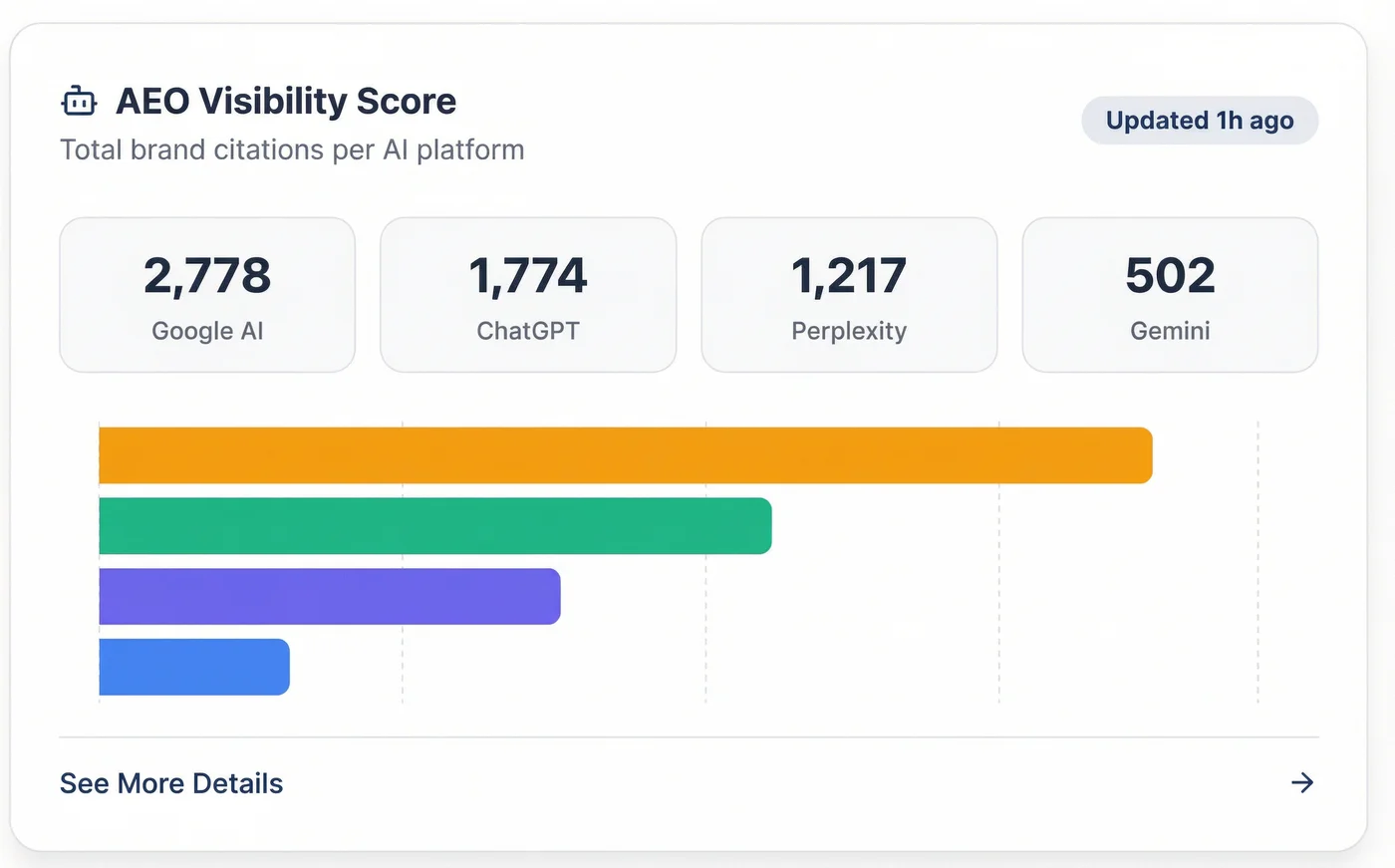
Your customers do not use just one AI. They bounce between ChatGPT for quick answers, Perplexity for sourced research, and Google AI Overviews during active searches. Single-platform optimization leaves 60% of potential traffic on the table. The top platforms for answer engine optimization require simultaneous monitoring, content seeding, and attribution tracking across all six major engines.

Engine Market Share Primary Content Source Citation Style
ChatGPT 70% Reddit, forums, reviews Inline mentions
Perplexity 12% News, blogs, discussions Numbered citations
Google AI Overviews 25% of searches Knowledge graph, schema Source cards
Gemini 8% Google properties, YouTube Contextual links
Claude 5% Long-form articles, papers Integrated references
Bing Copilot 4% Bing index, enterprise data Footnoted sources

7 Top Platforms for Answer Engine Optimization Ranked

1. Scrunch: Full-Stack Monitoring and Optimization

Scrunch tracks citations across ChatGPT, Perplexity, Claude, and Google AI Overviews with daily prompt testing. The platform audits your knowledge graph, suggests schema fixes, and monitors competitor mentions. Best for mid-market brands needing comprehensive visibility without agency overhead.

Pros

  • Multi-engine monitoring dashboard
  • Automated prompt testing library
  • Schema and entity auditing tools

Cons

  • Steep learning curve for beginners
  • Limited content automation features
  • Higher price point for SMBs

2. Profound AI: Enterprise Analytics with Content Automation

Profound AI combines citation tracking with AI-generated content optimization. The platform analyzes which content formats drive citations, then automates production at scale. Built for enterprise teams managing hundreds of SKUs or service pages.

3. AthenaHQ: Self-Serve for SMBs

AthenaHQ simplifies AEO for small businesses. The interface focuses on actionable tasks: fix this schema tag, seed this Reddit thread, monitor these five prompts. No data science degree required. Pricing starts at $99 monthly, making it accessible for Shopify stores and local service businesses.

4. Peec AI: Multi-Engine Insights

Peec AI specializes in comparative analytics. The platform shows how your citations differ across ChatGPT versus Perplexity versus Google. This granularity helps prioritize which engines deserve focused optimization based on your customer behavior data.

5. SE Ranking Visible: Clean Dashboards and Real Data

SE Ranking’s Visible module extends traditional rank tracking into AI answer monitoring. The interface integrates with existing SEO workflows, making adoption seamless for teams already using SE Ranking. Citation data syncs with keyword rankings for unified reporting. Learn how it supports SaaS SEO Industry clients effectively.

6. Otterly AI: Daily Prompt Tracking

Otterly AI runs hundreds of prompts daily to measure citation frequency and position. The platform alerts you when competitors displace your brand in key answers. Best for brands in competitive niches where citation share directly impacts revenue.

7. Goodie AI: Sentiment and Optimization Hub

Goodie AI tracks not just citations but sentiment. The platform flags when AI engines mention your brand negatively or inaccurately, then suggests content fixes. This matters for reputation management as AI answers shape brand perception at scale.

Platforms vs Agencies vs Agentic Systems: Full Spectrum Comparison

Standalone Platforms: Features, Pricing, and Limits

Standalone AEO platforms give you data and dashboards. You still execute the work: writing content, seeding forums, fixing schema. Pricing ranges from $99 to $2,000 monthly depending on query volume and engine coverage. These tools suit teams with in-house content resources and technical SEO skills.

AEO Agencies: First Page Sage, iPullRank, and Others

AEO agencies like First Page Sage and iPullRank sell strategy and execution. You pay $5,000 to $20,000 monthly for custom audits, content creation, and manual monitoring. The model works for enterprises needing white-glove service but lacks the speed and scalability ambitious brands require. Agencies bill hours. Platforms give you tools. Neither solves the execution bottleneck.

Agentic SEO: The Always-On AI Content Alternative I’ve Built

I built AEO Engine because platforms require too much manual work and agencies move too slowly. Our agentic system combines AI agents that research keywords, generate optimized content, seed community discussions, and monitor citations automatically. You get platform visibility plus agency execution without the retainer model.

We’ve delivered 920% average traffic growth for 7- and 8-figure brands across Industries We Support. Setup takes minutes. Our AI agents publish content, track citations, and attribute revenue in real time. While agencies debate strategy, our system ships 100 posts in your first sprint.

Ecommerce Matchup: Shopify and Amazon Seller Needs

Shopify brands need product content that AI engines cite during purchase research. Amazon sellers need off-platform authority because Amazon listings do not feed most AI models. Standalone platforms monitor but do not create. Agencies create slowly. Agentic systems automate the entire loop from keyword to published, cited content.

Approach Monthly Cost Setup Time Content Execution Best For
Standalone Platform $99-$2,000 1-2 weeks Manual In-house teams
AEO Agency $5,000-$20,000 4-6 weeks Agency-led Enterprise brands
Agentic System Revenue share Minutes Automated Growth-focused brands

Must-Have Features in AEO Platforms: My Evaluation Framework

top platforms for answer engine optimization

Monitoring and Citation Tracking Across 6+ Engines

Any platform worth considering monitors ChatGPT, Perplexity, Google AI Overviews, Gemini, Claude, and Bing Copilot. Single-engine tools are obsolete. Daily prompt testing matters more than weekly reports. Real-time alerts when competitors displace your citations separate winners from dashboards that just look pretty.

Auditing, Schema, and Knowledge Graph Tools

The platform should audit your existing schema markup, identify missing entity connections, and suggest knowledge graph improvements. AI engines rely on structured data to understand brand relationships, product attributes, and authority signals. Manual audits waste time. Automated recommendations drive action.

Content Optimization and Real-Time Testing

Top platforms analyze which content formats earn citations, then guide optimization. Some tools test variations in real time, showing which headlines, structures, or data points AI engines prefer. This feedback loop shortens the gap between publishing and citation wins.

Ecommerce Integrations: Shopify, WordPress, and Beyond

Shopify and WordPress integrations let platforms pull product data, publish optimized content, and track revenue attribution automatically. Manual CSV uploads and copy-paste workflows kill momentum. Native integrations mean your AEO system updates as your catalog grows. Explore how we support Local Business SEO and AEO Industry with these integrations.

ROI Attribution: What Most Tools Miss

Most AEO platforms track citations but not revenue. They tell you ChatGPT mentioned your brand 47 times but cannot connect those mentions to sales. I’ve seen brands celebrate citation growth while revenue stayed flat. Attribution from citation to click to conversion is the missing piece that separates theater from growth.

Evaluation Checklist: Before choosing a platform, verify it monitors six engines, automates schema audits, integrates with your ecommerce stack, and tracks revenue attribution. Anything less is just expensive reporting.

AEO Engine’s 100-Day Traffic Sprint: Proof from 7- and 8-Figure Brands

How Our AI Agents Deliver 920% Average Traffic Growth

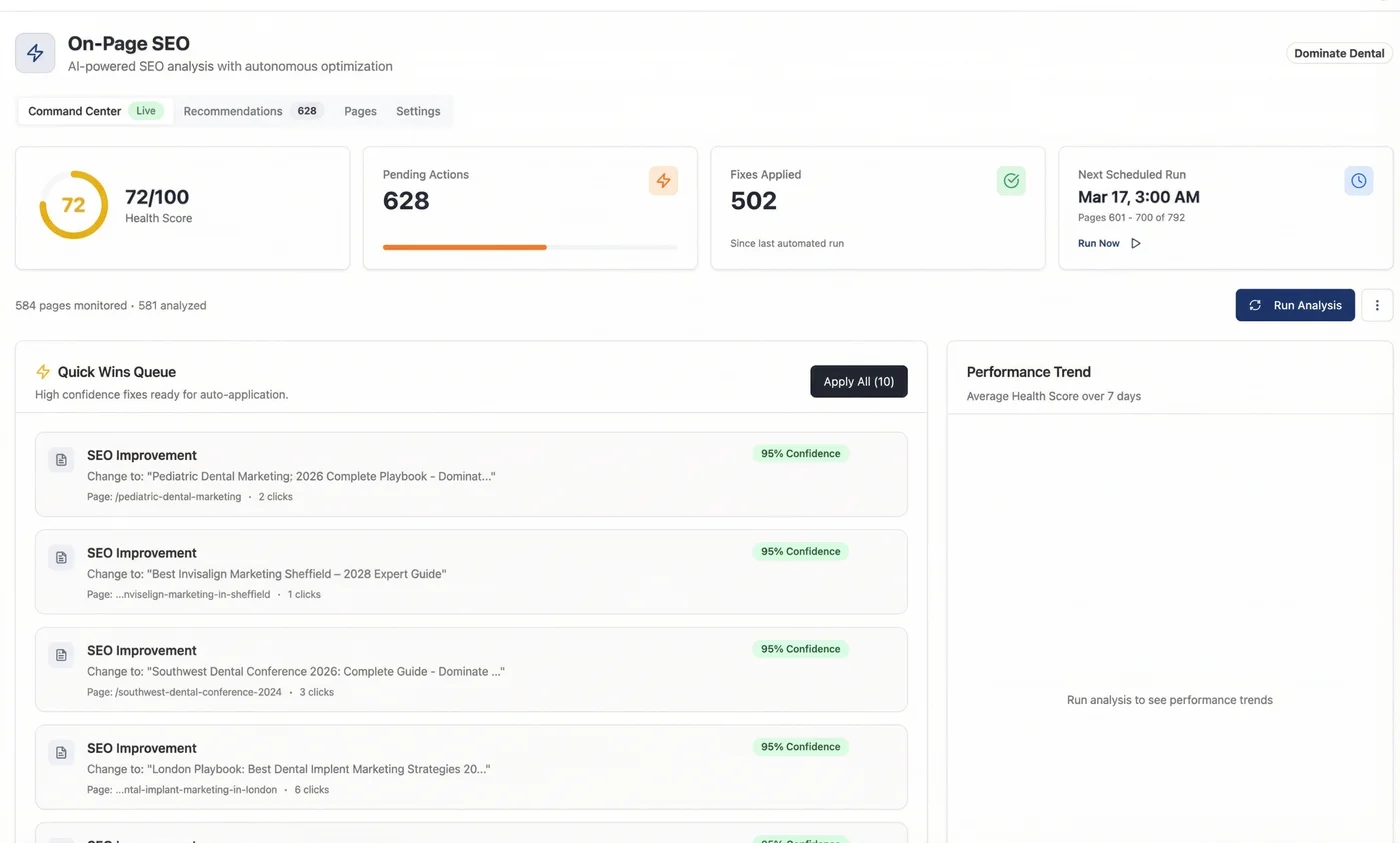
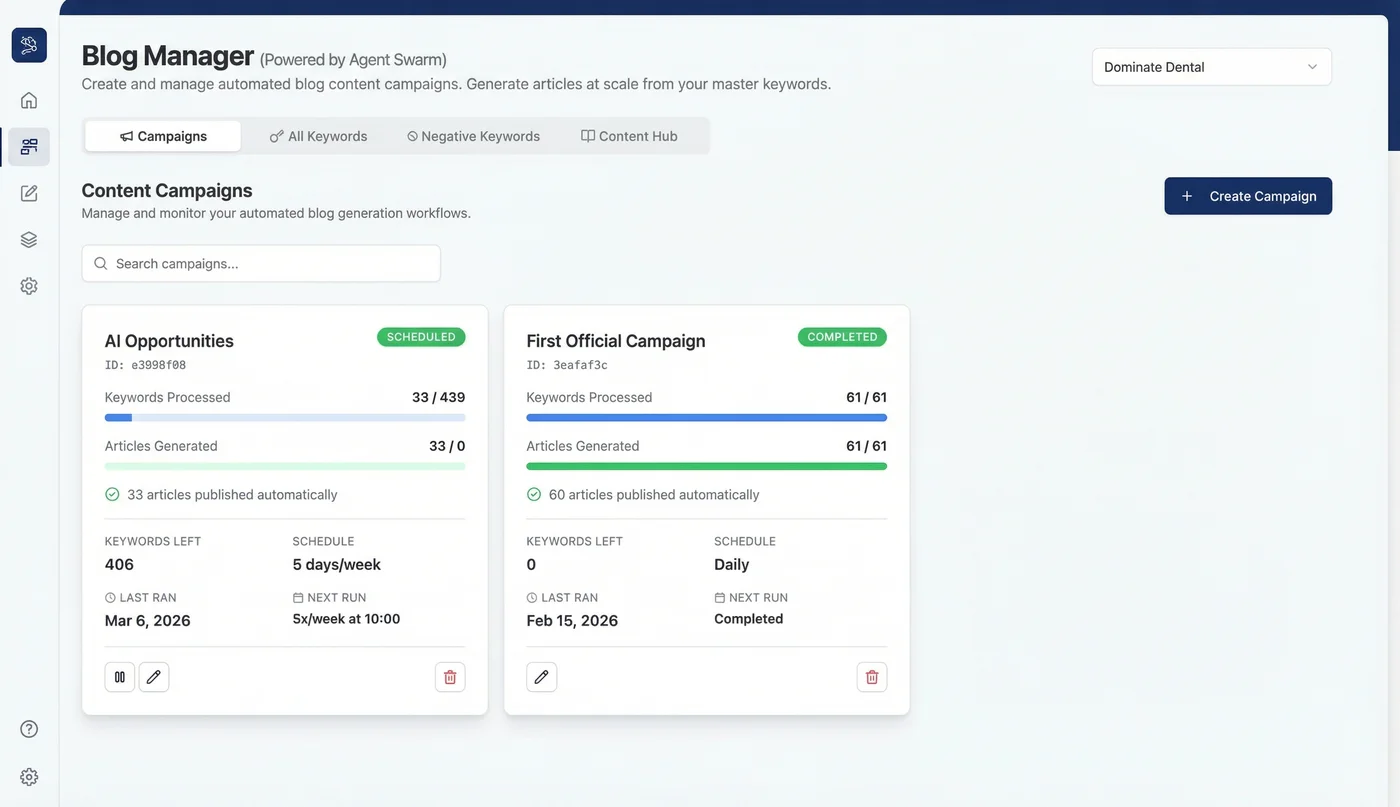
Our AI agents automate the entire AEO workflow. They research high-intent keywords, generate entity-optimized content, seed discussions on Reddit and Quora, monitor citations across six engines, and attribute revenue. The system runs 24/7. No meetings. No retainers. Just measurable growth tied to citations and conversions.

Client Wins: Morph Costumes, Smartish, ProductScope

Morph Costumes saw a 1,240% increase in AI-driven traffic within 90 days. Our agents seeded costume recommendation threads on Reddit, optimized product schema for ChatGPT citations, and monitored mentions across Perplexity and Google AI Overviews. Smartish, a phone case brand, achieved 780% growth by dominating “best phone case” queries in four major engines. ProductScope, a SaaS tool for Amazon sellers, tripled demo bookings after our system positioned them as the cited authority in AI answers about product photography automation.

These brands did not hire agencies or manage platforms manually. They plugged into our agentic system and watched citations convert to revenue. The 100-Day Traffic Sprint framework delivers content velocity traditional approaches cannot match.

Setup in Minutes: From Keyword to Published Post

Connect your Shopify store or WordPress site. Our AI agents analyze your catalog, identify high-intent keywords, and generate entity-optimized posts within hours. The system publishes directly to your blog, seeds community discussions, and begins citation tracking immediately. No onboarding calls. No strategy decks. Just rapid execution.

Revenue-Share Model: Results Over Retainers

We do not charge retainers. Our revenue-share model aligns incentives completely. You pay based on measurable growth, not hours logged or reports delivered. This structure forces us to prioritize attribution and conversion, not vanity metrics. Agencies sell time. Platforms sell tools. We deliver outcomes.

Your AEO Playbook: 7 Steps to Dominate AI Answers Today

Step 1: Audit Your Current AI Visibility

Test your brand in ChatGPT, Perplexity, and Google AI Overviews using customer search queries. Document which engines cite you, where competitors appear instead, and what content gaps exist. This baseline measurement reveals your starting point and priority opportunities.

Step 2: Seed Content on Reddit, Quora, and TikTok

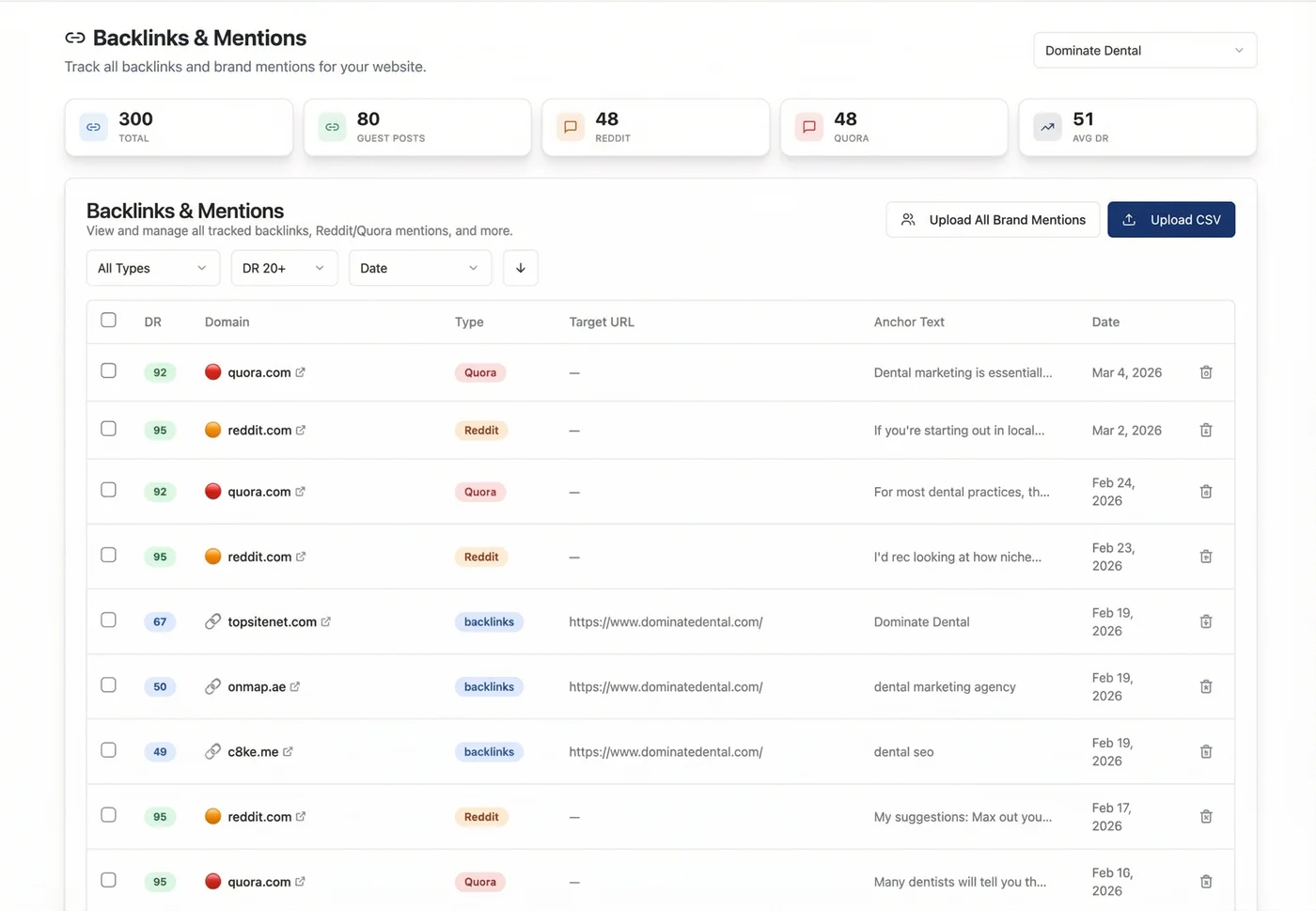
AI engines scrape Reddit threads, Quora answers, and TikTok captions when synthesizing responses. Publish helpful, non-promotional content in relevant subreddits and discussion threads. Answer real customer questions with specific product knowledge. These seeds grow into citations within weeks.

Step 3: Deploy Schema and Structured Data

Add Product, FAQ, and Organization schema to your pages. Claim and optimize your Google Business Profile and knowledge panel. AI engines parse structured data to understand entity relationships and authority signals. Missing schema means invisible to AI.

Step 4: Monitor Citations with Multi-Engine Tools

Use one of the top platforms for answer engine optimization to track daily citation performance across six engines. Set alerts when competitors displace your brand. Measure citation share the way you measure search rankings. What gets measured gets optimized. Consider our AI Search Analytics for advanced insights.

Step 5: Automate with Agentic Content Systems

Manual content creation cannot match AI answer engine velocity. Deploy agentic systems that research, write, publish, and seed content automatically. Our AI agents at AEO Engine handle this loop continuously, shipping optimized posts while you focus on product and customers.

Step 6: Measure Revenue, Not Just Rankings

Connect citation tracking to analytics and revenue data. Identify which AI engines drive conversions, which queries generate qualified traffic, and which content formats convert browsers into buyers. Attribution closes the loop between visibility and growth.

Step 7: Scale with a 100-Day Sprint

Commit to aggressive content velocity for 100 days. Publish daily. Seed discussions weekly. Monitor citations constantly. The brands winning AEO right now operate at sprint speed, not quarterly planning cycles. Speed and data beat deliberation when markets shift this fast.

Action Checklist: Audit visibility today. Deploy schema this week. Start seeding Reddit threads immediately. Automate content production within 30 days. Measure revenue attribution by day 60. Scale what works by day 100.

Pick the Right AEO Solution Before Competitors Do

top platforms for answer engine optimization

The top platforms for answer engine optimization give you visibility. Agencies give you strategy. Agentic systems give you execution at scale. Your choice depends on resources, speed requirements, and growth ambition. If you have in-house content teams and technical skills, standalone platforms work. If you need white-glove consulting and have enterprise budgets, agencies deliver. If you want automated execution tied to revenue growth without retainer risk, agentic systems win.

I’ve seen brands wait six months debating tools while competitors captured citation share and revenue. First-mover advantage compounds in AEO because AI models reinforce existing citations. The brand mentioned most frequently becomes the default answer. That position gets harder to displace every week.

AEO Engine’s 100-Day Traffic Sprint has delivered 920% average growth for brands across ecommerce, SaaS, and local services. Our AI agents automate the entire workflow from keyword research to published content to citation tracking to revenue attribution. Setup takes minutes. Results show within weeks. No retainers. No meetings. Just measurable growth tied to AI answer dominance.

Stop guessing. Start measuring your AI citations. Book a strategy call and see how our agentic system outperforms platforms and agencies combined. The brands dominating AI answers in 2026 made this decision months ago. Your turn.

Final Verdict: Choosing Your AEO Path Based on Brand Stage and Resources

Selecting among the top platforms for answer engine optimization requires an honest assessment of your execution capacity and growth timeline. Standalone platforms like Scrunch and Profound AI deliver comprehensive data but demand internal resources to act on insights. You are buying intelligence, not implementation. Agencies provide full-service execution but operate on monthly retainer cycles that slow iteration speed when markets move weekly.

The third path—agentic systems—automates both intelligence and execution. Our AI agents at AEO Engine research keywords, generate entity-optimized content, seed community discussions, monitor citations across six engines, and connect visibility to revenue attribution. This model eliminates the execution bottleneck that stalls most AEO initiatives.

For Shopify stores doing $500K to $5M annually, standalone platforms often create more work than value. You will track citations but lack bandwidth to produce content at the velocity AI answer dominance requires. For enterprise brands with established content teams, platforms like SE Ranking Visible integrate cleanly into existing workflows and provide the granular data internal teams need.

Agencies suit brands that need strategic consulting alongside execution. If you are launching a rebrand, entering new markets, or managing complex multi-brand portfolios, the white-glove approach justifies the premium. But if speed matters more than strategy decks, agencies become bottlenecks. I’ve watched brands spend three months in agency onboarding while competitors shipped 200 optimized posts and captured citation share that became nearly impossible to reclaim.

Agentic systems win when growth velocity determines market position. Our 100-Day Traffic Sprint framework has delivered 920% average traffic growth precisely because AI agents execute faster than human teams can plan. The system does not wait for approval cycles or creative reviews. It ships, measures, and iterates continuously.

Decision Framework: Choose standalone platforms if you have content teams ready to execute. Choose agencies if strategic consulting justifies slower timelines. Choose agentic systems if you need automated execution tied to revenue outcomes without retainer risk.

Future Considerations: What Changes in 2026 and Beyond

AI answer engines will consolidate around three dominant players by late 2026. ChatGPT’s market share will likely exceed 75% as OpenAI integrates deeper with consumer applications. Google AI Overviews will expand from 25% to 40% of search results as the company accelerates rollout to protect search revenue. Perplexity will either get acquired or carve a defensible niche in academic and research queries.

This consolidation means citation tracking becomes simpler, but competition for mentions intensifies. The brands cited most frequently today build compounding advantages. AI models reinforce existing citations through training data loops. If ChatGPT cites your brand 100 times this quarter, those mentions feed future model updates that make your brand the default answer for related queries.

Community seeding will shift from Reddit and Quora toward closed platforms. Discord servers, private Slack communities, and members-only forums will become primary citation sources as AI companies negotiate data access deals. Brands that build owned communities now position themselves as authorities AI engines cite when public data becomes restricted.

Attribution technology will mature rapidly. By 2027, expect citation tracking platforms to offer full-funnel analytics connecting AI answer impressions to website visits to conversions. The current gap between visibility metrics and revenue data will close as platforms integrate with analytics tools and ecommerce systems. This transparency will separate real growth from vanity metrics.

Pricing models will evolve from flat subscriptions toward performance-based structures. Platforms charging $500 monthly regardless of results will lose to systems that align cost with measurable outcomes. Our revenue-share model at AEO Engine reflects where the market moves: brands pay for growth, not access to dashboards.

Voice and visual search will force new optimization strategies. As users ask AI engines questions via voice assistants and image recognition tools, content formats must adapt. Structured data for voice queries differs from text optimization. Brands that prepare now avoid the scramble when voice becomes the dominant AI search interface.

Implementation Priorities for Your Next 30 Days

top platforms for answer engine optimization

Start with a citation audit across ChatGPT, Perplexity, and Google AI Overviews. Test 20 customer search queries related to your products or services. Document which engines cite you, where competitors appear, and what content gaps exist. This baseline reveals immediate opportunities and competitive threats.

Deploy schema markup for your top 10 product or service pages within the first week. Use Product, FAQ, and Organization schema types. Validate markup with Google’s Rich Results Test. AI engines parse structured data to understand entity relationships, so missing schema means invisible to answer engines regardless of content quality.

Seed three high-value Reddit threads or Quora answers by day 10. Choose discussions where your target customers ask questions your products solve. Provide specific, helpful answers without promotional language. These seeds become citation sources within two to three weeks as AI models scrape updated community content.

Select one monitoring tool from the top platforms for answer engine optimization by day 15. Set up daily tracking for your priority keywords across at least four engines. Configure alerts when competitors displace your citations. Measurement drives optimization, so visibility into citation performance must come early.

Publish 10 entity-optimized blog posts by day 30. Focus on question-based headlines that match customer search patterns. Structure content with clear headers, bullet points, and data tables that AI engines parse easily. If manual content production limits velocity, evaluate agentic systems that automate this workflow.

Connect citation data to your analytics platform before the 30-day mark. Tag traffic sources from AI referrals. Track which citations drive qualified visitors and conversions. This attribution loop identifies which engines and content types deliver revenue, not just visibility.

Week Priority Action Expected Outcome Time Investment
1 Citation audit across 3 engines Baseline visibility metrics 4 hours
2 Deploy schema on top 10 pages Structured data live 6 hours
3 Seed 3 community discussions Initial citation sources planted 3 hours
4 Publish 10 optimized posts Content feeding AI engines 20 hours or automated

Why AEO Engine Outperforms Platforms and Agencies Combined

Platforms give you data. Agencies give you strategy. Neither solves the execution bottleneck that kills most AEO initiatives. I built AEO Engine because watching brands struggle with manual workflows and slow agency cycles became unbearable. The market needed a system that combines platform intelligence with agency execution at machine speed.

Our AI agents automate the complete workflow. They identify high-intent keywords by analyzing search patterns across six engines. They generate entity-optimized content structured for AI citation. They seed discussions on Reddit, Quora, and niche forums where your customers congregate. They monitor citations daily and alert you when competitors displace your brand. They attribute revenue by connecting citation sources to conversion data.

This automation delivers velocity traditional approaches cannot match. While agencies debate content calendars, our system publishes 100 posts in your first sprint. While platforms show you what to fix, our agents implement fixes automatically. The 920% average traffic growth we have delivered across 7- and 8-figure brands stems directly from execution speed.

The revenue-share model eliminates risk. You do not pay retainers hoping for results. You pay based on measurable growth tied to AI citation performance and traffic attribution. This alignment forces us to prioritize what actually drives revenue: citations that convert, not vanity metrics that look impressive in reports.

Setup takes minutes, not months. Connect your Shopify store or WordPress site. Our AI agents analyze your catalog, identify opportunities, and begin publishing optimized content within hours. No onboarding calls. No strategy presentations. Just rapid execution that compounds daily.

The brands dominating AI answers in 2026 made this decision in 2024 and early 2025. They chose speed over deliberation. They chose automation over manual workflows. They chose systems over services. Citation share compounds like interest. The brand mentioned most frequently becomes the default answer, and that position gets harder to displace every week competitors wait.

Take Action Before Citation Share Hardens

AI answer engines are rewriting customer discovery. The search bar has not disappeared. It has moved inside ChatGPT, Perplexity, and Google AI Overviews. Brands that dominate these answers capture traffic and revenue. Brands absent from citations become invisible to the fastest-growing customer segment.

The top platforms for answer engine optimization provide the tools and data to compete. Standalone platforms suit teams with execution capacity. Agencies work for enterprises needing strategic consulting. Agentic systems deliver automated execution at scale for brands prioritizing growth velocity over process.

First-mover advantage compounds in AEO. Early citations feed AI training data that reinforces your brand as the authoritative answer. Waiting six months means competitors build citation moats that require exponentially more effort to overcome. The brands winning now acted when the shift became clear, not after competitors captured market position.

AEO Engine’s 100-Day Traffic Sprint has delivered measurable growth for brands across ecommerce, SaaS, and local services. Our AI agents automate research, content production, community seeding, citation monitoring, and revenue attribution. Setup takes minutes. Results appear within weeks. No retainers. No meetings. Just growth tied to AI answer dominance.

Stop debating tools. Start measuring citations. Book a strategy call and discover how our agentic system outperforms platforms and agencies by eliminating the execution bottleneck. The market has already shifted. Your customers already use AI answers to research purchases. The only question remaining: will they find your brand or your competitors when they ask?

Next Step: Audit your current AI visibility today. Test your brand in ChatGPT and Perplexity using customer search queries. Document gaps. Then choose the path that matches your speed requirements and growth ambition. The citation share you capture this quarter determines your market position for years.

Frequently Asked Questions

What exactly is Answer Engine Optimization (AEO) and why should brands care about it now?

Answer Engine Optimization, or AEO, is about structuring your content so AI engines cite your brand directly when answering user queries. I’ve seen brands lose 40% of organic traffic by ignoring this shift. The search bar isn’t dying, it has moved inside conversational AI, making AEO essential for visibility. If your brand is not cited, you are invisible to the fastest-growing segment of online shoppers.

How does AEO differ from traditional SEO practices?

Traditional SEO optimizes for rankings using backlinks and keywords; AEO optimizes for direct citations. AI engines reward entity clarity, structured data, and community signals from platforms like Reddit and Quora. We built AEO Engine because the old playbook stopped working for our clients.

Which specific AI answer engines should brands prioritize for AEO in 2026?

Brands must target Google AI Overviews, ChatGPT, Perplexity, Claude, Gemini, and Bing Copilot. ChatGPT alone commands 70% of the AI search market share. Your customers use multiple AIs, so multi-engine coverage is non-negotiable for growth.

Why is it important for brands to optimize for multiple AI answer engines, not just one?

Your customers don’t stick to just one AI; they bounce between platforms like ChatGPT for quick answers and Perplexity for sourced research. Single-platform optimization leaves 60% of potential traffic on the table. The brands winning right now are measuring citations and seeding content across all six major engines.

What are some practical steps brands can take to improve their AEO?

Brands need to optimize schema markup, create FAQ content, and improve knowledge panel information. Seeding content where AI models scrape, like discussion forums and review platforms, is also key. Speed beats perfection when the game changes this fast.

Can you name some platforms that help brands with Answer Engine Optimization?

Scrunch offers full-stack monitoring and optimization, tracking citations across multiple AI engines with daily prompt testing. Profound AI provides enterprise analytics with content automation. AthenaHQ is a self-serve option for SMBs, and Peec AI specializes in comparative citation analytics across engines.

About the Author

Vijay Jacob is the Founder of AEOengine.ai, a leading ecommerce growth partner specializing in Agentic SEO, AEO/GEO, and programmatic content systems for Shopify and Amazon brands, founded in 2018.

Over the past 6+ years, our team of senior strategists and a 24/7 stack of specialized AI Agents have helped 100+ Amazon & Shopify brands unlock their potential—contributing to $250M+ in combined annual revenue under management. If you’re an ambitious brand owner ready to scale, you’re in the right place.

🚀 Achievements

  • Deployed “always-on” AI content systems that compound organic traffic and AEO visibility across answer engines.
  • Scaled multiple clients from 6-figure ARR to 7 and 8 figures annually.
  • Typical engagements show double-digit lift in organic revenue within the first 100-day Sprint.
  • Maintain a 16+ month average client retention based on durable, system-driven results.

🔍 Expertise

  • Agentic SEO & AEO frameworks (prompt ownership, structured answers, surround-sound mentions).
  • Programmatic SEO for Shopify & WordPress with rigorous QA and brand governance.
  • Amazon growth playbooks (PPC, listings, creatives) integrated with AEO-first content.

Ready to build compounding, AI-age visibility? Let’s make this your breakthrough year.
Book a free discovery call to see if our Agentic SEO/AEO growth system fits your brand.

Last reviewed: February 19, 2026 by the AEO Engine Team